Kawaii Book Back to School
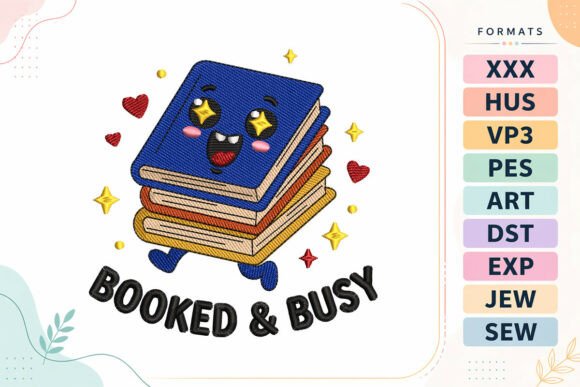
The transition from summer relaxation to the structured rhythm of the academic year is often marked by a mix of excitement and logistical preparation. For crafters, educators, and small business owners, this period represents a prime opportunity to create themed merchandise or classroom decorations that resonate with students and parents alike. One design that has gained significant traction in this space is the Kawaii Book Back to School embroidery file. This particular design features an adorable stack of books adorned with sparkling eyes, cute facial details, hearts, and stars. It is more than just a decorative element; it is a playful expression of the joy of reading, tailored specifically for book lovers, librarians, teachers, and students.
However, while the visual appeal of such a charming design is undeniable, integrating it successfully into physical products requires more than simply downloading a file and hitting "start" on the machine. Many creators overlook the technical nuances of digitization and fabric selection, leading to frustrating results that diminish the intended cuteness and professionalism of the final piece. Understanding how to properly evaluate and apply this design ensures that your projects—from tote bags to backpacks—look polished and professional.
Evaluating Digitization Quality Before You Stitch
A common mistake among both beginners and experienced embroiderers is assuming that all digital files are created equal. The term "professionally digitized" is frequently used in product descriptions, but it does not guarantee optimal performance on every machine or fabric type. The Kawaii Book Back to School design relies heavily on clean lines to render the facial details and the sparkle effects accurately. If the underlay stitches are insufficient or the density is too high for lightweight fabrics, the result can be puckering, thread breaks, or distorted imagery.
To avoid these pitfalls, you must inspect the stitch data before committing to a production run. Look for designs that utilize appropriate satin stitches for outlines and fill stitches for larger areas. A well-digitized kawaii character should have smooth curves without jagged edges, which can occur if the resolution is too low. Additionally, check the color count. Designs with excessive color changes can increase production time and the likelihood of user error during threading. A balanced approach ensures that the vibrant embroidery results remain crisp and the stitching process remains efficient.
Fabric Selection and Stability
Another critical factor often ignored is the substrate. Kawaii designs, with their intricate details and small elements like stars and hearts, demand a stable base. Using unstable knits or thin, stretchy materials without proper stabilization will cause the fine details to blur or shift. For items like backpacks and tote bags, which are subjected to regular wear and tear, choosing durable fabrics such as canvas or heavy cotton blends is advisable. These materials provide the necessary structure to support the weight of the embroidery threads without distorting the shape of the books in the design.
- Stabilizer Choice: Always match your stabilizer to your fabric. Cut-away stabilizers are generally recommended for woven bags and garments that will undergo frequent washing, providing long-term stability. Tear-away stabilizers may suffice for one-time use items but can leave residue or weaken the fabric over time.
- Hoop Size Constraints: Ensure your design fits within your machine’s hoop size. If the design is large, consider breaking it into sections or using a larger hooping frame to prevent misalignment.
Target Audience and Application Strategies
The versatility of the Kawaii Book Back to School design allows it to serve multiple audiences effectively. For educators and librarians, it offers a way to personalize classroom decor, library cards, or reading logs, fostering a welcoming environment that encourages literacy. For entrepreneurs and hobbyists, this design is ideal for creating seasonal merchandise. However, the context in which the design is applied significantly impacts its reception.
When designing for children, the bright colors and friendly faces are highly appealing. However, when applying this to adult-oriented items, such as professional tote bags for teachers or university students, the presentation matters. Pairing the kawaii aesthetic with neutral-colored fabrics can balance the playfulness with sophistication. Conversely, using it on brightly colored kids' backpacks amplifies the fun factor. Misjudging this balance can lead to products that feel either too childish for their intended audience or too serious for the target demographic.
Avoiding Common Pitfalls in Production
One prevalent issue in the world of custom embroidery is the assumption that any font or decorative element scales well. While the Kawaii Book Back to School design is self-contained, adding text around it requires careful consideration. Many creators add generic phrases like "Back to School" or "Read More" without checking the spacing or font compatibility. This can clutter the design, detracting from the central charm of the book stack. If you choose to add text, ensure it complements the style of the main design rather than competing with it. Keep lettering simple and legible, avoiding overly complex scripts that may not digitize cleanly at smaller sizes.
Furthermore, consider the longevity of the item. Embroidery is a durable form of decoration, but improper care can still lead to fading or fraying. Educate your customers or users on the importance of turning embroidered items inside out before washing and using gentle cycles. This advice enhances customer satisfaction and reduces returns due to perceived quality issues.
Maximizing Value Through Strategic Use
For small business owners and marketers, leveraging trending themes like kawaii aesthetics can drive engagement. However, authenticity is key. The design’s strength lies in its genuine affection for reading and learning. Marketing efforts should highlight this emotional connection rather than focusing solely on the novelty. Share stories about how the design was inspired by a love for literature, or showcase how it is being used in real classrooms and libraries. This narrative approach builds trust and resonates more deeply with consumers than purely promotional content.
Additionally, diversify your application methods. While embroidery is excellent for durability, consider offering variations where the design is printed or heat-transferred for lower-cost entry-level products. This allows you to cater to different budget ranges while maintaining brand consistency. Remember, the goal is to celebrate the joy of reading in a way that feels personal and engaging.
Final Considerations for Success
Before purchasing or utilizing the Kawaii Book Back to School embroidery file, take the time to review the specifications provided by the creator. Verify compatibility with your specific embroidery software and machine model. Test the design on scrap fabric that mimics your final material to assess tension, density, and overall appearance. This small investment of time can save hours of rework and frustration.
By approaching the creation process with attention to detail, appropriate material selection, and thoughtful application, you can transform a simple digital file into a cherished physical object. Whether you are decorating a student’s notebook or launching a new line of educational accessories, the Kawaii Book Back to School design offers a delightful way to connect with your audience through the universal language of books and creativity.
Ultimately, the success of your project depends on balancing artistic vision with technical precision. Embrace the playful nature of kawaii culture while adhering to best practices in embroidery production. This combination ensures that your work stands out for its quality and charm, leaving a lasting impression on anyone who encounters it. In doing so, you not only enhance your own creative output but also contribute to a broader appreciation for the arts of reading and crafting.