Kawaii Back to School Pencil
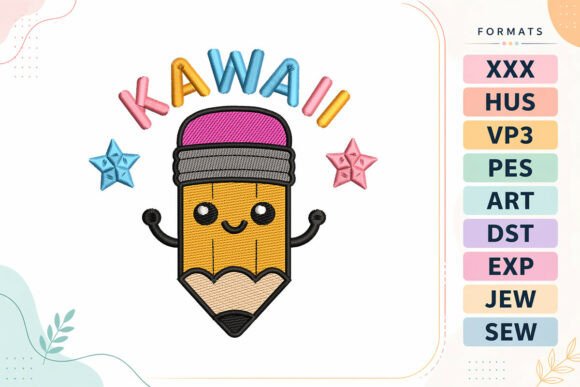
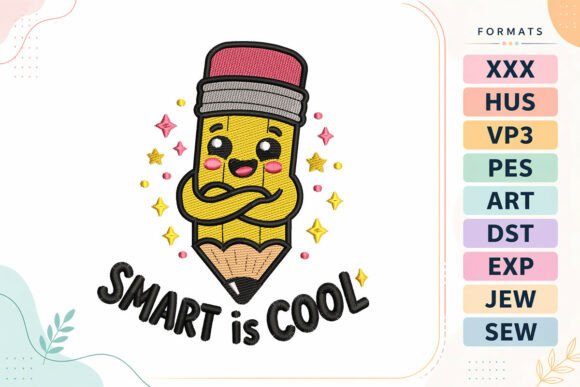
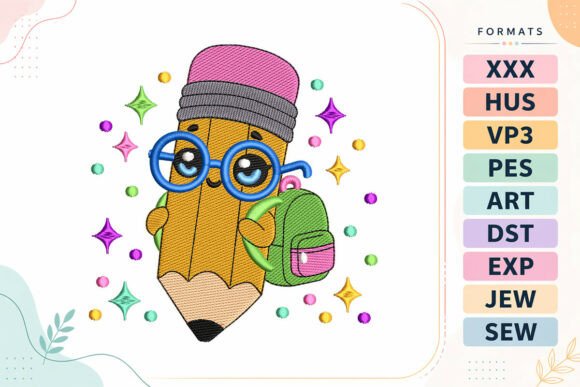
The transition into the new academic year is often marked by a surge of excitement, but for those who create custom merchandise or design classroom materials, it can also bring about a specific kind of creative anxiety. You want your projects to stand out, yet you need them to be professional enough to sell or present with pride. This is where specialized embroidery designs like the Kawaii Back to School Pencil come into play. Featuring a smiling kawaii pencil character wearing oversized glasses and carrying a colorful backpack, surrounded by playful sparkles and confetti accents, this embroidery file is perfect for student apparel, backpacks, lunch bags, classroom décor, tote bags, and educational gifts.
While the visual appeal of such a design is undeniable, simply downloading a file and hitting "start" on your machine does not guarantee success. Many creators, particularly those new to digitized embroidery, overlook the technical nuances that separate a amateurish stitch job from a polished, market-ready product. Understanding how to properly evaluate, prepare for, and execute this specific design will save you time, thread, and frustration.
Evaluating Digitization Quality Before You Stitch
One of the most common pitfalls in the world of custom embroidery is assuming all files are created equal. A low-quality digitization can ruin an otherwise adorable design. When you acquire the Kawaii Back to School Pencil design, you must look beyond the preview image. The description notes that it is "professionally digitized for clean stitching," but as a creator, you need to verify this yourself before committing to a full run of products.
Pay close attention to the density of the stitches. Kawaii characters often rely on smooth fills to convey their cute aesthetic. If the digitizer has set the stitch density too high, the fabric may pucker, distorting the pencil’s face or making the glasses appear warped. Conversely, if the density is too low, the color may show through the base fabric, especially if you are using white thread on light-colored materials. Look for balanced underlay stitches, which provide stability and prevent the fabric from shifting during the high-speed stitching process.
Another critical detail is the handling of small elements. The design includes "playful sparkles and confetti accents." These tiny details require precise placement and minimal jump stitches. Poorly digitized sparkles can result in loose threads that snag easily or look like messy fuzz rather than intentional decorative elements. Ensure the file has been optimized to minimize these jumps, perhaps by incorporating trim commands or adjusting the order of operations so that delicate details are stitched last or secured effectively.
Selecting the Right Materials for the Job
Even the best embroidery file cannot compensate for poor material choices. A frequent mistake among hobbyists and small business owners is ignoring the substrate when planning a project. The Kawaii Back to School Pencil design works beautifully on various items, but each item presents different challenges.
Backpacks and Tote Bags: These items are typically made from canvas, denim, or heavy cotton blends. These fabrics are sturdy and hold up well to embroidery, but they can be thick. You need a stabilizer that matches this weight. Using a lightweight tear-away stabilizer on a heavy canvas bag will likely result in misalignment because the fabric will shift under the needle. Instead, opt for a cut-away stabilizer that provides permanent support, ensuring the design remains flat and true even after multiple washes.
Lunch Bags: Vinyl or insulated lunch bags present a unique challenge. The surface is often slippery or textured. Standard hooping techniques might cause the material to slip, leading to registration errors where the pencil’s glasses do not align correctly with its eyes. To avoid this, use a temporary spray adhesive to secure the fabric to the stabilizer before hooping. Additionally, consider using a finer gauge thread to prevent the needle from creating large holes in the vinyl, which could compromise the bag's waterproof integrity.
Student Apparel: When embroidering on t-shirts or hoodies, the stretch of the fabric is your biggest enemy. If the design lacks sufficient stabilizing underlay, the stretching of the jersey knit can distort the kawaii character’s smile. Always test the design on a scrap piece of the same garment fabric first. This allows you to adjust the tension and hoop tightness to accommodate the fabric’s give without puckering the design.
Avoiding Common Hooping Mistakes
Proper hooping is just as important as the file itself. A common error is over-tightening the hoop, which stretches the fabric excessively. When you remove the hoop, the fabric relaxes, pulling the stitches together and causing distortion. For the Kawaii Back to School Pencil, which features a central character, ensure the pencil is centered perfectly within the hoop area. Misalignment here means the entire design will look off-center on the final product, whether it’s a chest pocket on a hoodie or the front panel of a backpack.
Furthermore, check for clearance around the edges of the hoop. If the design extends too close to the hoop edge, the hoop itself may obstruct the needle, causing skipped stitches or broken needles. Most modern embroidery machines have a defined hoop area; consult your machine’s manual to ensure the design fits comfortably within these boundaries without requiring awkward trimming or re-hooping.
Thread Selection and Color Theory
The vibrant nature of the Kawaii Back to School Pencil design relies heavily on thread choice. The description mentions "colorful backpack" and "sparkles," which implies a multi-color scheme. However, not all polyester threads are created equal. Cheaper threads may lack the sheen needed to make the sparkles pop, resulting in a dull appearance that fails to capture the kawaii essence.
Consider the contrast between the thread colors and the fabric. If you are embroidering on a dark backpack, bright yellow or neon pink threads will stand out vividly. On a white lunch bag, pastels might get lost unless paired with bold outlines. It is also wise to consider the durability of the colors. Some bright dyes can fade faster than others when exposed to sunlight or frequent washing. Investing in high-quality, colorfast threads ensures that your school-themed creations remain vibrant throughout the academic year.
Final Checks and Maintenance
Before you commit to a final piece, always perform a test run. This is non-negotiable for professionals and highly recommended for hobbyists. Use a similar fabric and stabilizer combination to what you plan to use for the final product. This step reveals potential issues with thread tension, stitch density, or design alignment that might not be apparent in a digital preview.
After stitching, proper finishing is essential. Remove any excess stabilizer carefully. For cut-away stabilizers, trim close to the stitching but avoid cutting the threads themselves. For tear-away stabilizers, ensure all backing is removed to prevent stiffness in the final garment. Inspect the work for any loose threads or missed stitches, and trim them neatly. A clean finish elevates the perceived value of your creation, making it suitable for gifting or sale.
By understanding the technical requirements of the Kawaii Back to School Pencil embroidery design, you move beyond simple application to true craftsmanship. You avoid the pitfalls of poor digitization interpretation, incorrect material pairing, and improper hooping. This approach ensures that every backpack, tote, or classroom decoration you create is not only adorable but also durable and professionally finished. In a market saturated with generic items, your attention to detail becomes your greatest asset, turning a simple pencil character into a memorable and cherished school accessory.