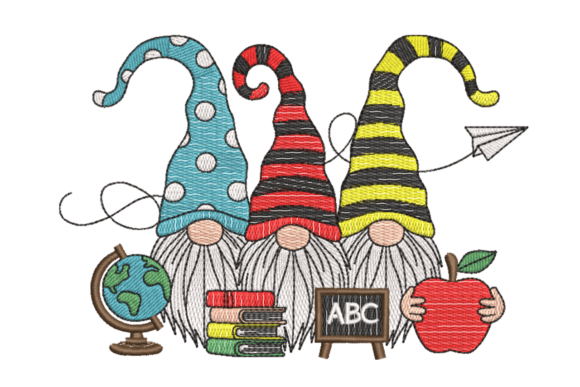
Back to School Gnomes: More Than Just a Seasonal Decoration Trend
If you have scrolled through Pinterest, Instagram, or local craft shops lately, you have likely encountered them. They are small, whimsical figures with pointy hats, often holding tiny backpacks, pencils, or apples. These Back to School Gnomes have taken the home decor and crafting world by storm, transforming from simple DIY projects into a significant seasonal phenomenon. But beyond their adorable appearance, they represent something deeper: a desire to make the transition back to routine feel less like a chore and more like a celebration.
For many adults aged 20 to 50, the start of the academic year is a complex emotional landscape. It is not just about children heading off to kindergarten; it is about parents returning to work, students navigating higher education, and educators preparing for a new term. The gnome has emerged as a versatile symbol that bridges these gaps, offering a touch of humor, warmth, and practicality in various real-world scenarios.
The Psychology of Whimsy in Routine
Why gnomes? Why now? The appeal lies in the concept of "softening" the hard edges of daily life. The back-to-school season can be stressful. Mornings are rushed, schedules are tight, and there is a palpable anxiety about the unknown. Introducing a playful element like a gnome acts as a psychological anchor. It signals that while responsibilities are increasing, joy and creativity remain priorities.
This is particularly relevant for young professionals and parents who may feel the pressure to maintain a highly curated aesthetic while managing chaotic lives. A Back to School Gnome does not demand perfection. It embraces a cozy, imperfect charm. Whether it is sitting on a desk during a remote work setup or perched on a lunchbox, it serves as a visual reminder to take a breath and find delight in small things.
Practical Applications Across Different Audiences
The versatility of the Back to School Gnome allows it to serve different audiences in distinct ways. Here is how this trend translates into real-life utility and inspiration across various sectors.
For Parents: Creating Rituals and Reducing Anxiety
For families, the gnome is a tool for ritual-building. Instead of a stark calendar marking the first day of school, parents might place a special gnome on the kitchen counter each morning leading up to September 1st. This creates a tangible countdown that feels festive rather than frantic.
- Lunchbox Surprises: Small, flat-backed gnomes can be tucked into lunchboxes. For elementary students, this provides a sense of connection to home when they open their lunch at recess. It is a low-cost way to add emotional support to a child’s day.
- Bedtime Routines: A slightly larger gnome placed on a nightstand can become part of the evening wind-down. It helps signal the end of play and the beginning of rest, making the early wake-up calls less jarring for both parent and child.
For Educators: Classroom Culture and Engagement
Teachers are constantly looking for ways to build classroom community and reduce student anxiety on the first day. Back to School Gnomes offer a non-verbal way to set the tone. A teacher might use a "Gnome Guide" character on the whiteboard to explain rules or welcome students.
In high schools and universities, where the culture is often more serious, a subtle gnome pin or a small desk figure can act as an icebreaker. It humanizes the instructor and makes the learning environment feel safer and more approachable. For special education teachers, these figures can also serve as sensory anchors or visual supports for students who benefit from consistent, comforting imagery.
For Remote Workers and Students: Desk Decor with Purpose
The rise of hybrid work and online learning has made the home office a central hub. A bare desk can feel sterile and isolating. Adding a Back to School Gnome transforms a workspace into a personalized sanctuary. It is a conversation starter during video calls, adding a layer of personality without being distracting.
Furthermore, for adult learners returning to school, a gnome can serve as a motivational talisman. It represents growth and new beginnings. Placing one near a laptop or study materials can create a positive association with learning, combating the impostor syndrome that often accompanies returning to academia later in life.
Choosing the Right Gnome: Practical Considerations
With the popularity of the trend comes a saturated market. From mass-produced plastic figures to hand-knitted wool creations, the options are endless. Making the right choice depends on your specific needs and values.
Material Matters
If you are buying for young children, safety is paramount. Avoid gnomes with small detachable parts, loose eyes, or synthetic fibers that could pose a choking hazard. Wool or felt gnomes made by local artisans often provide a softer, safer alternative. For older students and adults, durability becomes key. Plastic or resin gnomes withstand rough handling better than delicate fabric ones, making them ideal for backpacks or lockers.
Ethical and Sustainable Sourcing
Many consumers in the 20–50 age demographic are increasingly conscious of sustainability. Mass-produced gnomes often contribute to fast fashion waste. Opting for handmade gnomes from platforms like Etsy supports independent creators and reduces environmental impact. Additionally, choosing natural materials like cotton, wool, or wood aligns with eco-friendly values. Some users even choose to DIY their own gnomes using scrap fabric, turning a craft project into a sustainable activity that strengthens family bonds.
Customization vs. Generic Appeal
Generic gnomes are convenient and affordable. However, customized gnomes—featuring school colors, mascots, or initials—offer a higher level of personal connection. For a gift, customization shows effort and thoughtfulness. For personal use, it reinforces identity. A university student might choose a gnome in their school’s colors to foster school spirit, while a parent might choose one that matches their child’s favorite cartoon character.
Limitations and Realistic Expectations
While charming, it is important to recognize the limitations of this trend. A gnome will not solve logistical challenges like bus schedule changes or homework struggles. It is a decorative and emotional aid, not a functional solution to academic or organizational problems. Over-commercialization can also lead to a feeling of obligation to participate in every trend, which adds stress rather than relieving it.
There is also the risk of clutter. In small living spaces or minimalist households, accumulating numerous seasonal decorations can feel overwhelming. The key is moderation. One or two well-placed gnomes can have a greater impact than a shelf full of them. Focus on quality and sentimentality over quantity.
Integrating Gnomes into Broader Strategies
To get the most out of Back to School Gnomes, integrate them into broader strategies for organization and wellness. Use them as markers in planners or calendars. Pair them with other organizational tools, such as color-coded folders or digital apps, to create a cohesive system. For example, a gnome could sit next to a "Homework Station" sign, visually reinforcing the purpose of that space.
Incorporating these figures into photo memories is another powerful use case. Taking a yearly photo with a growing collection of gnomes creates a visual timeline of growth and change. This practice preserves memories in a fun, accessible way, allowing families to look back and see how much everyone has changed over the years.
Ultimately, the value of Back to School Gnomes lies in their ability to inject humanity into the mechanical process of starting a new year. They remind us that education and growth are not just about data and deadlines, but about people, feelings, and the small joys that make the journey worthwhile. Whether you are a teacher, a parent, or a lifelong learner, finding a gnome that resonates with you can be a simple yet effective way to embrace the season with grace and humor.