Cute Backpack Back to School
The transition into a new academic or creative season often triggers a surge in demand for personalized merchandise. For educators, small business owners, and hobbyist embroiderers, the goal is rarely just to produce a product; it is to create an item that resonates with its intended audience while maintaining production efficiency. This is where specific design assets become critical components of a broader workflow. The Cute Backpack Back to School embroidery design serves as a high-utility asset in this process. It is not merely a graphic file but a professionally digitized element designed to streamline the creation of school-themed apparel and accessories.
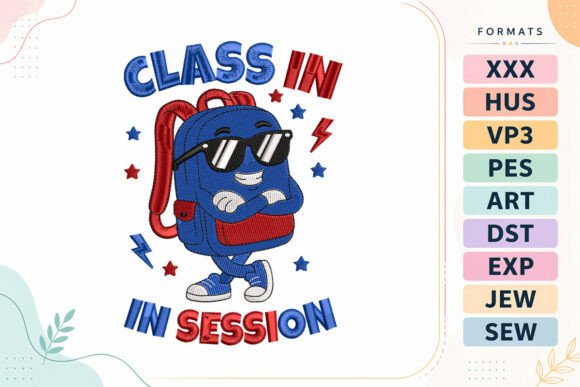
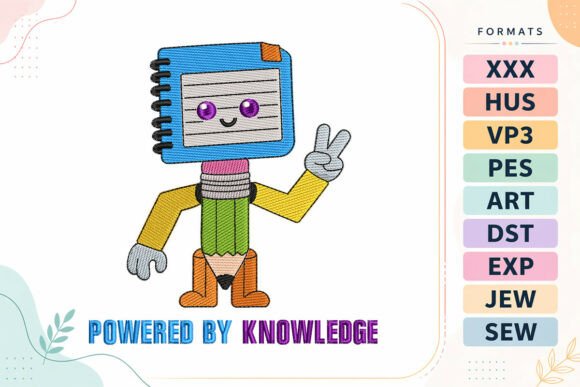
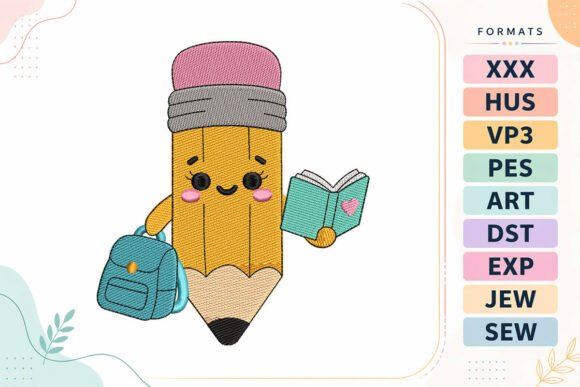
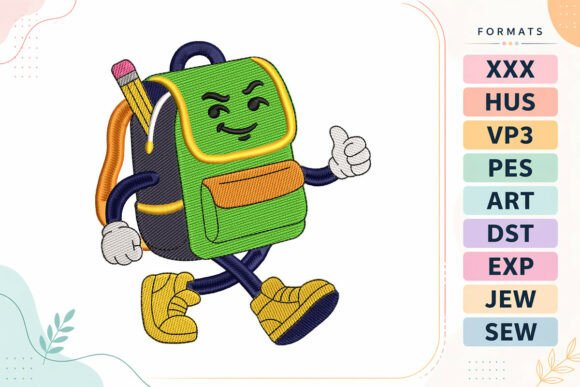
At its core, this design features an adorable smiling backpack mascot complete with distinct accessories: a pencil, gloves, sneakers, and a cheerful thumbs-up pose. These visual cues are carefully selected to evoke immediate recognition and positive emotional response. For professionals managing inventory or fulfilling custom orders, understanding the structural integrity and thematic versatility of such a design is essential for minimizing errors and maximizing output quality.
Integration into Production Workflows
Incorporating the Cute Backpack Back to School design into your production line requires more than simply loading the file into software. It involves strategic planning regarding fabric selection, placement, and finishing techniques. The design’s playful nature makes it suitable for a wide array of substrates, from heavy-duty canvas backpacks to softer cotton t-shirts. However, the success of the final product depends on how well the embroidery interacts with the material’s texture and weight.
When preparing for production, consider the following integration points:
- Substrate Compatibility: The design includes elements like sneakers and gloves which may require different stitch densities. Ensure your chosen fabric can support these details without puckering. Canvas bags hold up well under dense stitching, while lightweight jerseys may require a stabilizer backing to maintain shape.
- Placement Strategy: The central position on a chest pocket or the upper back of a bag are standard placements. However, for tote bags, side-panel placement can offer a unique aesthetic. Consistency in placement across a batch of orders is crucial for professional presentation.
- Thread Selection: To achieve vibrant results, select threads that contrast effectively with the base fabric. Bright primary colors work well for children’s items, while muted pastels might suit a more sophisticated classroom décor theme.
Pre-Production Planning and File Management
Before any needle touches the fabric, proper file management ensures a smooth execution phase. Digitized files must be compatible with your specific embroidery machine’s format (e.g., .pes, .dst, .jef). Verify that the design dimensions fit within your machine’s hoop size. If the design exceeds the available hoop area, you will need to plan for multi-hooping, which adds time to the production cycle and increases the risk of misalignment.
Organize your digital asset library by categorizing designs according to season and theme. Tagging the Cute Backpack Back to School file with metadata such as "back-to-school," "mascot," and "character" allows for quick retrieval during peak seasons like August or January. This organizational step reduces downtime between projects and helps maintain a consistent brand identity across multiple product lines.
Application Across Diverse Use Cases
The versatility of this character-based design allows it to serve multiple roles within the educational and retail ecosystems. It is not limited to a single product type. Instead, it functions as a cohesive visual thread that can tie together various merchandise offerings.
Apparel and Personal Accessories
Student shirts and hoodies are the most obvious application. The smiling mascot with a thumbs-up pose conveys enthusiasm and readiness, making it ideal for spirit wear or first-day-of-school photos. When producing these items, focus on comfort. Ensure that the embroidery does not create excessive bulk against the skin, particularly if placed on the front chest area. Using lighter stabilizers and optimizing stitch count can enhance wearability.
Lunch bags and tote bags offer another lucrative avenue. These items are often used daily by students, providing long-term visibility for the design. The durability of the embroidery is key here, as these bags undergo frequent washing and rough handling. The professional digitization of the Cute Backpack Back to School design ensures that stitches remain secure and colors do not fade quickly, extending the product’s lifecycle.
Educational Environments and Décor
Beyond personal items, this design fits seamlessly into classroom environments. Teachers can use embroidered patches on bulletin boards, door decorations, or teacher resource binders. The inclusion of school-related icons like pencils and sneakers reinforces the educational context without being overly literal. This subtlety allows the design to appeal to both younger students and adult educators.
For bloggers and content creators focusing on education, these designs can be used to create branded giveaway items or affiliate marketing products. Offering a limited-edition embroidered tote bag featuring this mascot can drive engagement and build community among followers who appreciate personalized, high-quality goods.
Quality Control and Long-Term Viability
Implementing a robust quality control (QC) process is non-negotiable for maintaining reputation. After digitizing and testing the Cute Backpack Back to School design, perform a sample run on the actual production fabric. Inspect the following areas closely:
- Stitch Density: Check for gaps in coverage, especially in solid areas like the backpack body. Conversely, ensure there is no overcrowding that could cause thread breakage.
- Detail Resolution: The smaller elements, such as the pencil tip and sneaker laces, must be clearly defined. Blurry or merged details indicate a need for digitization adjustments.
- Color Fastness: Test the threads for color bleeding, particularly when washing samples at high temperatures.
Document any issues found during sampling and adjust the digitization parameters accordingly. This proactive approach prevents mass production errors and saves resources in the long run. Consistency in quality builds trust with customers, whether they are individual parents buying a gift or schools ordering uniforms in bulk.
Sustainability and Material Choices
As consumers become more environmentally conscious, the materials used in conjunction with your embroidery designs matter. Consider offering options made from organic cotton or recycled polyester. The Cute Backpack Back to School design pairs well with natural textures, enhancing the eco-friendly appeal of the product. Marketing these sustainable choices alongside the charming design can differentiate your offerings in a crowded market.
Strategic Timing and Market Positioning
The "Back to School" season is a time-sensitive opportunity. Launching products featuring the Cute Backpack Back to School design too early may result in inventory stagnation, while launching too late misses the peak purchasing window. Ideally, production should begin 6–8 weeks before the start of the academic year. This timeline allows for marketing campaigns to build anticipation and for supply chain delays to be mitigated.
Utilize social media platforms to showcase the design in action. Share behind-the-scenes videos of the embroidery process, highlighting the precision and care involved in creating each piece. User-generated content, such as photos of students wearing their new shirts or using their embroidered lunch bags, can serve as powerful social proof. Encourage customers to tag your brand, creating a feedback loop that drives further sales.
Conclusion on Implementation
The Cute Backpack Back to School embroidery design is more than a decorative element; it is a functional tool for executing successful merchandising strategies. By integrating it thoughtfully into your workflow—considering substrate compatibility, file management, quality control, and strategic timing—you can produce high-value products that resonate with your audience. Whether you are a small business owner expanding your catalog, an educator creating classroom rewards, or a marketer designing promotional materials, this design offers the flexibility and charm needed to stand out. Focus on clean execution, consistent quality, and clear communication of the design’s benefits to maximize its impact in your projects.