Unleashing Creativity: The Ultimate Guide to Paint Palette Back to School Embroidery Designs
The back-to-school season is more than just a logistical reset; it is a cultural moment defined by new beginnings, fresh supplies, and the excitement of self-expression. For educators, artists, and students alike, this period offers a unique opportunity to celebrate the joy of learning through personalized touches. One of the most effective ways to add that personal flair is through custom embroidery. Specifically, the Paint Palette Back to School design has emerged as a favorite among crafters and professionals. This guide explores why this specific motif is so popular, how it enhances various school-related items, and what makes professional digitization crucial for achieving stunning results.
Why the Paint Palette? Symbolism and Significance
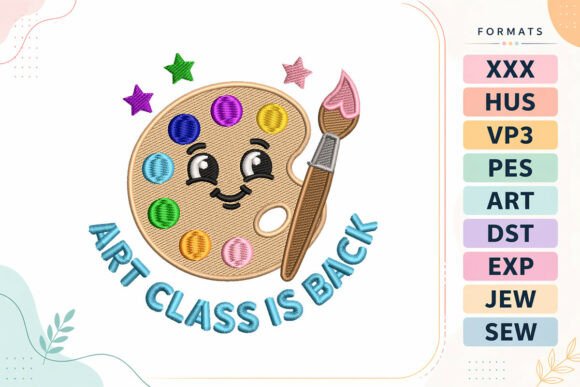
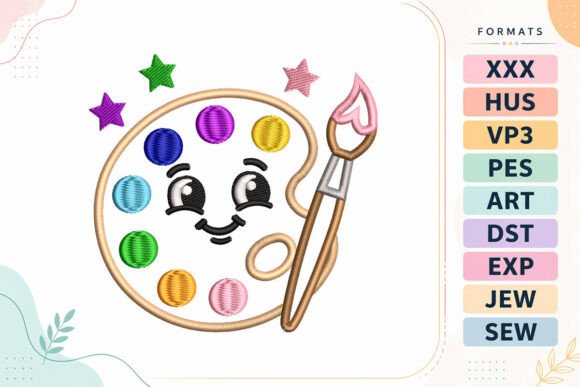
At first glance, a paint palette with colorful dots and an accompanying brush might seem like a simple decorative element. However, in the context of education and creativity, these symbols carry significant weight. The palette represents potential—the blank canvas waiting to be filled with ideas, knowledge, and imagination. The vibrant paint dots symbolize diversity, energy, and the multitude of subjects that make up a well-rounded education.
For teachers, wearing or displaying this imagery sends a clear message: they are not just instructors but facilitators of creativity. It breaks down the barrier between "academic" and "artistic," suggesting that every subject can be approached with a creative mindset. For students, especially those in elementary and middle school, seeing this design on a backpack or tote bag validates their artistic interests and encourages them to bring their whole selves to the classroom.
Versatility in Application: From Classrooms to Caps
One of the primary reasons the Paint Palette embroidery design is trending is its incredible versatility. Unlike niche designs that appeal only to specific hobbies, this theme resonates across a broad spectrum of school life. Here is how this design fits into modern educational environments:
Teacher Apparel and Professional Identity
Teachers often struggle to balance professionalism with approachability. A well-executed embroidery of a paint palette on a polo shirt or t-shirt allows educators to showcase their personality without sacrificing authority. It is particularly popular among art teachers, but also widely used by general education teachers who want to emphasize a creative classroom environment. When stitched onto high-quality fabrics, the design becomes a conversation starter, helping teachers connect with students and parents on a human level.
Student Accessories and Backpacks
In the hallways of any school, individuality is key. Students are constantly looking for ways to distinguish their belongings from the sea of identical lunchboxes and backpacks. Adding a cute paint palette embroidery to a canvas tote or a durable backpack serves two purposes: it adds style and ensures the item is easily identifiable. For younger students, the bright colors and simple shapes of the design are visually appealing and easy to recognize, reducing anxiety about losing personal items.
Classroom Décor and Learning Spaces
The application of this design extends beyond wearable items. Educators frequently use embroidery machines to create custom banners, bulletin board borders, and door signs. A large-scale version of the paint palette design can serve as the centerpiece for a classroom welcome banner. These tactile elements add warmth to the learning space, making it feel inviting and organized. Furthermore, using embroidered fabric squares as pocket charts or name tags adds a cohesive, polished look to the room’s aesthetic.
The Importance of Professional Digitization
While the visual concept of a paint palette is straightforward, translating that image into a stitch file requires technical expertise. This process, known as digitizing, converts digital artwork into instructions that an embroidery machine can read. Many beginners assume that any digital image can be embroidered effectively, but this is a common misconception that leads to poor results.
Smooth Stitching vs. Clunky Output
A professionally digitized Paint Palette design is optimized for smooth stitching. This means the software calculates the best path for the needle to minimize thread breaks, reduce puckering, and ensure that the colors blend seamlessly. For example, the transition between different colored paint dots must be handled carefully to avoid unsightly gaps or overlapping threads that muddy the colors. If the underlay stitches are not properly configured, the fabric may pucker around the dense areas of the paintbrush handle, ruining the overall look.
Vibrant Embroidered Detail
The goal of a good digitized file is to capture the vibrancy of the original illustration. This involves selecting the right thread types—such as rayon or polyester—and determining the appropriate stitch density. High-density stitches are needed for solid areas like the wood of the paintbrush, while lighter, satin stitches might be used for outlines to give a clean edge. When done correctly, the resulting embroidery pops off the fabric, offering a texture and depth that printing cannot replicate.
Practical Tips for Best Results
To get the most out of your Paint Palette Back to School embroidery projects, consider the following practical advice:
- Choose the Right Fabric: Natural fibers like cotton and canvas hold embroidery stitches exceptionally well. Synthetic blends can work, but ensure they are stable enough to withstand the tension of the hoop. Avoid highly stretchy fabrics unless you use stabilizers specifically designed for knits.
- Select Quality Thread: Invest in high-quality embroidery thread. Cheap thread can break frequently and may not have the sheen required to make the paint dots look vibrant. Metallic threads can be used sparingly for accents, but stick to standard colors for the main design to ensure durability.
- Use Stabilizers Wisely: The type of stabilizer you choose depends on the garment. Cut-away stabilizers are generally best for apparel that will be washed frequently, as they provide long-term support. Tear-away stabilizers are suitable for temporary applications like paper-backed items or lightweight tote bags.
- Test Before You Commit: Always run a test stitch-out on a scrap piece of the same fabric. This allows you to check the color placement, stitch density, and overall size before committing to the final product. It saves time, money, and materials in the long run.
Conclusion: Embracing Creative Education
The Paint Palette Back to School embroidery design is more than just a cute graphic; it is a tool for expression and connection. Whether you are a teacher wanting to inspire your students, a student wanting to personalize your gear, or a crafter looking to sell unique back-to-school items, this design offers endless possibilities. By understanding the significance of the imagery and respecting the technical requirements of professional digitization, you can create high-quality, meaningful products that stand out.
In a world where digital screens dominate our attention, the tactile nature of embroidery brings us back to the hands-on experience of creation. It reminds us that education is not just about absorbing information but also about crafting our own paths. So, grab your hoop, load your colorful threads, and let your creativity flow this school year. With the right design and a bit of care, you can turn ordinary school supplies into extraordinary keepsakes that celebrate the spirit of learning.
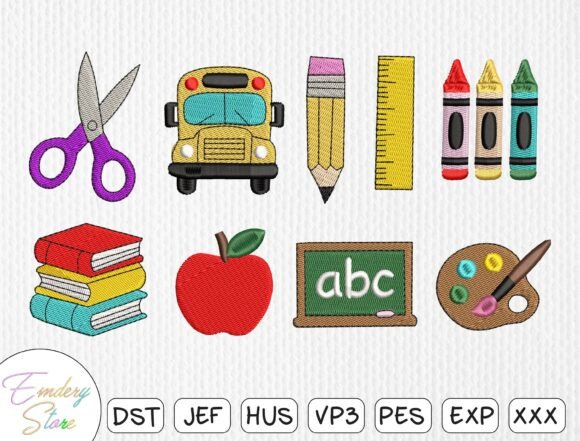
For those interested in expanding their repertoire, consider pairing the paint palette design with other educational motifs such as pencils, globes, or books to create themed collections. The possibilities are limited only by your imagination. Happy stitching!