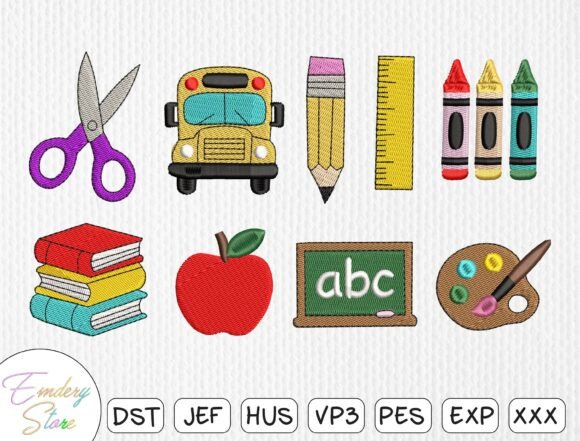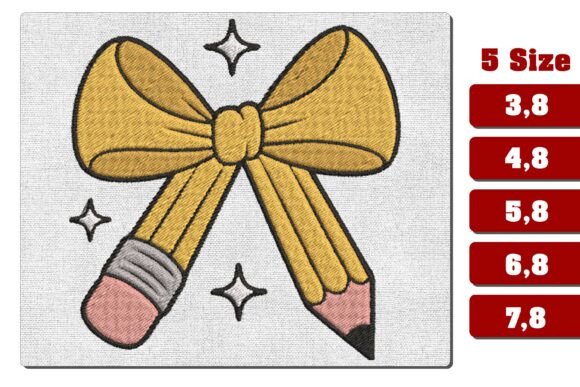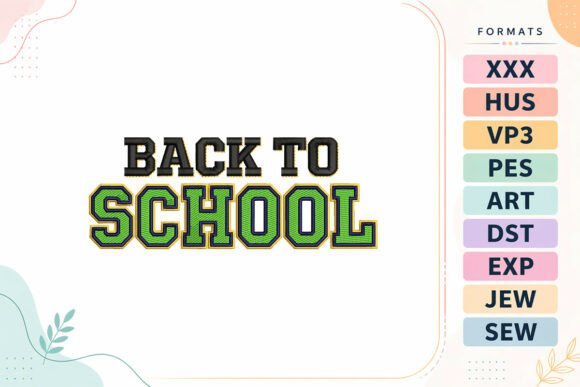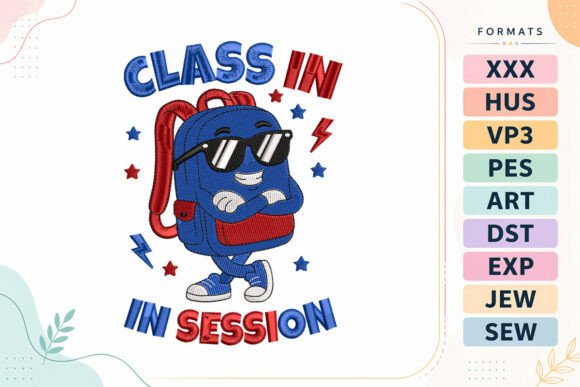
Back to School Machine Embroidery Design
Transform the mundane into the memorable by integrating a Back to School Machine Embroidery Design that bridges the gap between traditional craftsmanship and modern visual communication. In an era where digital saturation often dilutes brand impact, tactile creative assets offer a refreshing opportunity to connect with audiences on a deeper, sensory level. This approach is not merely about stitching thread onto fabric; it is about leveraging the principles of graphic design—balance, contrast, and hierarchy—to create physical touchpoints that resonate emotionally.
For designers and brand strategists, understanding how to translate digital aesthetics into textile formats opens up new avenues for brand identity expansion. A well-executed embroidery design serves as a premium quality signal, suggesting durability, care, and attention to detail. When applied to back-to-school projects, this technique allows creators to infuse personality into everyday items, turning standard supplies into curated lifestyle statements.
The Intersection of Digital Design and Textile Art
At its core, machine embroidery is a form of print design adapted for three-dimensional surfaces. The process requires a keen understanding of how vector shapes behave when converted into stitch paths. Just as a designer selects a specific color palette to evoke certain emotions in a web interface, an embroiderer must choose thread colors that maintain legibility and visual impact under varying lighting conditions and fabric textures.
This Back to School Machine Embroidery Design exemplifies how simple geometric or typographic elements can be optimized for textile application. By utilizing multiple file formats, the design ensures compatibility across various embroidery machines, mirroring the responsive nature of modern UI/UX design. The goal is to ensure that the final product retains the integrity of the original graphic design concept, regardless of the medium.
Enhancing Brand Identity Through Tangible Assets
In the landscape of digital marketing, brands are constantly seeking ways to stand out. While social media graphics and web design dominate online spaces, physical merchandise offers a unique channel for customer engagement. Embroidered logos or motifs on backpacks, tote bags, and apparel serve as mobile billboards, reinforcing brand identity in real-world environments.
The aesthetic appeal of embroidery lies in its texture. Unlike flat screen printing, embroidery adds depth and shadow, creating a natural visual hierarchy that draws the eye. This tactile quality can elevate the perceived value of a product, making it suitable for high-end packaging design or exclusive promotional campaigns. For educational institutions or student-focused brands, incorporating these designs into school supplies fosters a sense of community and pride.
Practical Applications for Creative Projects
Integrating this versatile design element into your workflow can enhance various aspects of your creative output. Here are several strategic applications:
- Merchandise and Apparel: Apply the design to polos, hats, or denim jackets to create limited-edition collections that align with current design trends.
- Editorial Design: Use embroidered accents in print magazines or catalogs to add a layer of sophistication and interactivity to static pages.
- Social Media Content: Photograph the textured details of the embroidery for high-quality visuals that highlight craftsmanship, boosting engagement on platforms like Instagram or Pinterest.
- Gift Sets and Packaging: Incorporate small embroidered patches into back-to-school gift boxes, enhancing the unboxing experience and reinforcing a premium professional presentation.
- Digital Products: Offer the design files as part of a bundle for other designers, expanding your reach within the creative assets market.
Evaluating Quality and Compatibility
When selecting or creating embroidery designs, it is crucial to evaluate them through the lens of typography and composition. The best designs maintain readability even when scaled down or viewed from a distance. Consider the density of the stitches; overly dense areas can cause puckering, while sparse areas may lack visual weight. A balanced approach ensures that the design looks polished whether it is placed on a large backpack or a small pencil case.
Furthermore, verify that the design files are compatible with your existing design workflow. Multi-format support allows for flexibility, ensuring that you can adapt the asset for different machines without compromising quality. This adaptability is essential for maintaining consistency across various creative projects, from personal hobbies to commercial branding efforts.
Ultimately, the success of any design element lies in its ability to communicate effectively. By choosing a Back to School Machine Embroidery Design that prioritizes clean lines, appropriate contrast, and structural integrity, you ensure that your work stands out. Thoughtful design choices do more than just decorate; they tell a story, build trust, and create lasting impressions. Embracing the nuances of textile-based design allows creators to push beyond digital boundaries, offering audiences a richer, more engaging experience that appeals to both the eye and the hand.