Apple Applique Back to School
The transition into the academic year is rarely just about restocking supplies; it is a logistical exercise in branding, morale, and visual identity. For educators, small business owners creating educational merchandise, and hobbyists who value personalized touches, the preparation phase often involves significant creative energy. This is where specialized digital assets, such as the Apple Applique Back to School embroidery design, move from being a simple graphic to a functional component of a broader workflow. It represents more than just a cute image; it is a strategic choice for creating durable, professional-grade items that resonate with the back-to-school season.
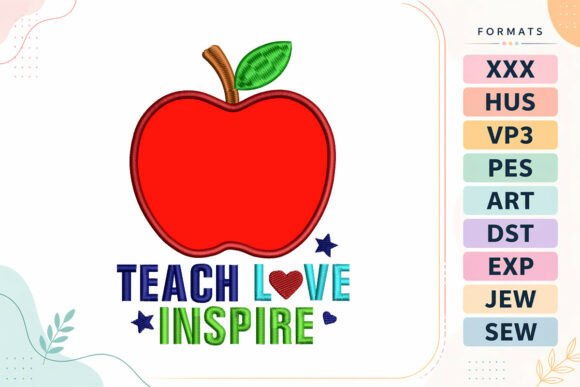
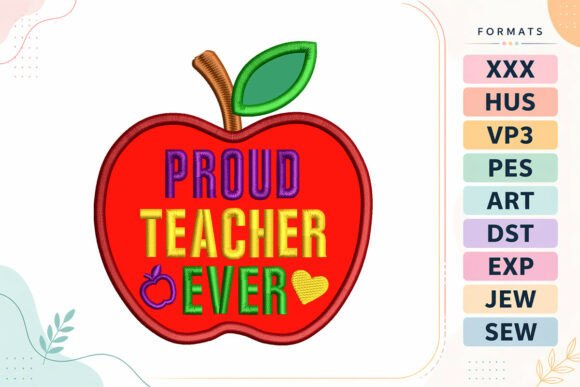
Understanding how this specific applique file integrates into your production or personal projects requires looking at the intersection of design efficiency and aesthetic impact. The design features a classic school apple shape paired with colorful lettering, a decorative apple accent, and a subtle heart detail. These elements are not merely decorative; they are structured to work within the constraints of machine embroidery software and hardware. By choosing an applique style over a standard satin stitch or fill stitch, creators can achieve a bold finished look while significantly reducing overall stitch count. This technical advantage translates directly into faster production times and lower material costs, making it an ideal asset for high-volume classroom décor, tote bags, backpacks, and teacher shirts.
Integrating Design Assets into Educational Workflows
In any creative or commercial process, the selection of digital files dictates the speed and quality of the final output. When planning a back-to-school project—whether it is outfitting a staff room, creating gift sets for students, or launching a limited-edition line of teacher apparel—the integration of the Apple Applique Back to School design should happen during the initial planning stage. This allows for accurate estimation of fabric requirements, thread usage, and hoop size compatibility.
The applique technique inherently changes how you approach fabric preparation. Unlike direct stitching, which lays thread on top of the base material, applique involves cutting a shape from one fabric and stitching it onto another. This means your workflow must include steps for stabilizing the base fabric, cutting the appliqué shapes (often using fusible interfacing), and securing them before the detailed stitching begins. For professionals managing multiple orders or large classroom sets, establishing a standardized procedure for these prep steps is crucial for consistency. If you are a blogger or publisher documenting your teaching journey, having pre-prepared designs like this allows you to focus on content creation rather than troubleshooting machine errors during production.
Compatibility and Software Preparation
Before any needle touches fabric, the digital file must be compatible with your embroidery machine’s ecosystem. Most modern machines accept common formats such as .PES, .DST, .EXP, or .JEF, but the Apple Applique Back to School design may require conversion depending on your specific hardware. Using reliable digitizing software or online converters ensures that the color changes, jump stitches, and trim commands are interpreted correctly. This step is vital for maintaining the integrity of the colorful lettering and heart detail, ensuring they align perfectly with the apple shape.
Furthermore, consider the scalability of the design. An applique file offers flexibility in sizing because the underlying structure remains consistent regardless of dimensions. Whether you are embroidering a small pocket on a backpack or a large chest area on a teacher shirt, the design proportions hold up well. However, when scaling down, ensure that the text remains legible and the heart detail does not become too dense. Conversely, scaling up requires checking that the stitch density does not cause puckering. Testing a single sample on scrap fabric is a non-negotiable part of this phase, serving as a quality control checkpoint before committing to expensive materials.
Strategic Use Cases Across Different Audiences
The versatility of this design allows it to fit into various workflows, from personal hobbies to commercial enterprise. Understanding these use cases helps in allocating resources effectively.
- Educators and Classroom Management: Teachers often seek ways to build community and celebrate their profession. Embroidering these designs onto polo shirts or sweatshirts creates a sense of unity among staff. The "Proud Teacher" sentiment combined with the cheerful apple motif boosts morale without requiring extensive customization time. In a classroom setting, these designs can be applied to storage bins, library cards, or student achievement certificates, adding a tactile element to learning materials.
- Small Business Owners and Entrepreneurs: For those selling educational gifts or teacher appreciation items, the reduced stitch count of an applique design is a significant profit margin booster. Faster hooping and fewer thread changes mean higher throughput. You can integrate this design into product lines that include tote bags, lunch boxes, and journal covers. Marketing these items as "professionally embroidered" adds perceived value, allowing for premium pricing.
- Hobbyists and Freelancers: For individuals refining their embroidery skills, this design serves as an excellent practice piece. It combines different techniques: applique placement, precise stitching around curves (the apple shape), and handling multi-color lettering. Mastering this file builds confidence for more complex projects later in the year.
Optimizing Production and Long-Term Quality
Execution is only half the battle; long-term durability and presentation define the success of the project. The Apple Applique Back to School design is engineered for clean, professional results, but this outcome depends heavily on the materials used. Choosing high-quality cotton or polyester-cotton blends for the base fabric prevents distortion during washing. Similarly, selecting a stable backing stabilizer is critical, especially for stretchy fabrics like t-shirt jerseys. Without proper support, the applique edges may roll or the lettering may pucker over time.
Thread selection also plays a pivotal role in the visual impact. Because the design features colorful lettering, using high-sheen polyester threads will make the text pop against the matte finish of the applique fabric. For the apple itself, a solid color that contrasts well with the background fabric enhances the silhouette. Some creators opt for metallic threads for the decorative apple accent to add a touch of elegance, particularly for gift items intended for special occasions like Teacher Appreciation Week.
Organization is another key factor in efficient implementation. Labeling your design files with clear metadata—including size, color palette, and recommended fabric types—streamlines future projects. When the next academic year approaches, having a well-organized library of applique designs allows for rapid deployment. You can quickly pull the Apple Applique Back to School file, adjust the hoop setup, and begin production without spending hours searching for the correct asset or recalibrating settings.
Balancing Aesthetics with Practical Constraints
While the visual appeal of the design is undeniable, practical constraints must always guide the decision-making process. The heart detail and decorative accents add charm, but they also introduce additional stitching commands. Ensure that your machine’s tension settings are calibrated to handle the transition between the applique fabric and the base material. Uneven tension can lead to loose loops on the underside or broken needles on the top, disrupting the workflow.
Additionally, consider the end-user experience. If these items are gifts for teachers, they will likely undergo frequent laundering. Applique designs generally withstand washing better than heavy fill stitches because there is less bulk. However, the edges of the applique fabric should be secured with a tight zigzag or blanket stitch to prevent fraying. This attention to detail reflects professionalism and care, reinforcing the positive message of the "Proud Teacher" theme.
In conclusion, integrating the Apple Applique Back to School embroidery design into your projects is a strategic move that balances creativity with operational efficiency. By understanding its technical requirements, preparing your materials meticulously, and applying it across relevant use cases, you can produce high-quality outcomes that enhance both personal satisfaction and professional reputation. Whether you are streamlining a small business operation or simply celebrating the joy of teaching, this design offers a reliable, visually striking solution that stands out in the busy back-to-school season.